04 74 03 98 80



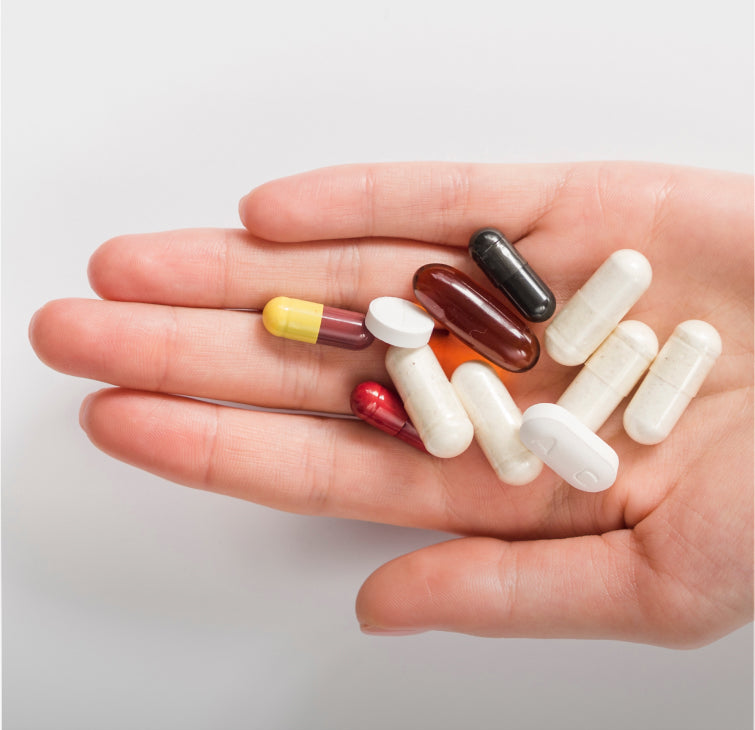




Vitamin B12 , or cobalamin, is a water-soluble vitamin essential for many biological functions. Essential for the proper functioning of the nervous system, the formation of red blood cells and cellular metabolism, this vitamin must be provided through food or supplementation. However, vitamin B12 deficiencies remain common, particularly among people following vegetarian or vegan diets, the elderly, those suffering from digestive disorders, or patients on chronic metformin treatment. In this article, we detail its roles, its needs according to age, the risks of deficiency, and how to optimize its intake.
What is vitamin B12?
Vitamin B12 is a water-soluble vitamin belonging to the cobalamin family, characterized by the presence of a cobalt atom in its chemical structure. It is synthesized exclusively by certain bacteria present in the soil and in the digestive systems of certain animals. In humans, vitamin B12 is not produced naturally and must therefore be provided through diet or supplementation.
This vitamin is primarily stored in the liver and can remain there for several years, which is why symptoms of a deficiency can sometimes be delayed. Unlike other water-soluble vitamins, it is capable of being reabsorbed via the enterohepatic cycle, which optimizes its use by the body.
The different forms of vitamin B12
Vitamin B12 is the most complex vitamin of the B group due to its sophisticated molecular structure.
At the heart of this structure is a cobalt atom that can bind to various ligands, giving rise to several active forms of vitamin B12:
- Adenosylcobalamin (AdoCbl): the ligand is linked to a 5'-deoxyadenosine group
- Cyanocobalamin (CNCbl): linked to a nitrile group (CN)
- Hydroxocobalamin (HOCbl): linked to a hydroxyl group (OH)
- Methylcobalamin (MeCbl): linked to a methyl group (CH3)
In reality, if you are wondering which form of vitamin B12 to choose , the initial structure of the molecule has little impact on its assimilation by the body.
When ingested, regardless of its form, vitamin B12 is systematically broken down and transformed before being absorbed and used by the body. Therefore, there is no form that is inherently more "active" than another.
Role and benefits of vitamin B12
Vitamin B12 is involved in many essential biological processes. Its main role is in the formation of red blood cells. It participates in the synthesis of hemoglobin and prevents the development of megaloblastic anemia, a condition characterized by abnormally large red blood cells that are ineffective at transporting oxygen.
In the central nervous system, vitamin B12 plays a key role in the synthesis of myelin, a substance that surrounds and protects nerves, facilitating the rapid conduction of nerve signals. Prolonged deficiency can lead to irreversible nerve damage, sensory disturbances, and cognitive impairment.
Vitamin B12 is also involved in the conversion of homocysteine to methionine, an essential amino acid. A buildup of homocysteine in the blood is associated with an increased risk of cardiovascular disease and stroke.
Finally, this vitamin plays a fundamental role in energy metabolism by enabling the conversion of fats and proteins into energy, and participates in the synthesis of DNA, which is essential for cell division.
Vitamin B12 requirements
Vitamin B12 requirements vary depending on age, gender and specific physiological situations.
- Infants (0-6 months): 0.4 µg/day
- Children (1-3 years): 0.9 µg/day
- Children (4-8 years): 1.2 µg/day
- Children (9-13 years): 1.8 µg/day
- Adolescents and adults: 2.4 µg/day
- Pregnant women: 2.6 µg/day
- Breastfeeding women: 2.8 µg/day
These recommendations take into account optimal absorption, but certain factors, such as digestive disorders, or taking medications like Metformin , can significantly reduce this absorption and increase needs.
Vitamin B12 deficiency
Vitamin B12 deficiency can have serious health effects. Common signs include:
- Chronic fatigue
- Megaloblastic anemia
- Memory problems
- Neurological symptoms such as tingling or loss of sensation.
The main causes of vitamin B12 deficiency include poor diet, intestinal malabsorption (such as in Crohn's disease or celiac disease), or a lack of intrinsic factor, a protein essential for the absorption of vitamin B12 in the intestine.
However, vitamin B12 deficiency is difficult to detect without a blood test because its symptoms are nonspecific. If in doubt, it is therefore important to consult a doctor who will be able to prescribe a blood test.
Importance of Vitamin B12 for Vegans and Vegetarians
As explained, vitamin B12 is mainly found in animal products. In fact, animals absorb this vitamin synthesized by bacteria in their digestive systems. Therefore, animal products such as meat, fish, eggs, and dairy are the main natural sources of vitamin B12.
Plants, on the other hand, do not naturally contain any. Fortified plant-based products, such as certain plant-based drinks or cereals, are an alternative, but remain insufficient to cover daily needs.
For people following a strict vegan or vegetarian diet, supplementation is essential and not optional to avoid serious risks of deficiency, particularly in pregnant women, seniors and children.
Foods rich in vitamin B12
The main dietary sources of vitamin B12 include:
- Offal: especially liver and kidneys
- Oily fish like salmon and mackerel.
- Dairy products and eggs also contain it, although in smaller amounts.
It is important to note that animal foods are often artificially fortified with vitamin B12 due to modern soil depletion and intensive farming methods.
Why take a vitamin B12 course and for how long?
A course of vitamin B12 treatment is recommended to correct a proven deficiency or prevent a deficiency in people at risk. The duration depends on vitamin B12 levels measured by blood tests and associated symptoms.
The duration of a course of treatment varies depending on the blood levels measured, associated symptoms, and the severity of the deficiency. A higher initial supplementation (1000 µg/day for one month) is often followed by a maintenance phase tailored to individual needs (1000 µg twice a week).
For people at chronic risk, regular, even lifelong, supplementation is recommended. Medical monitoring and regular blood tests allow dosage adjustments for optimal effectiveness and to ensure adequate coverage of vitamin B12 needs.
Conclusion
Vitamin B12 is essential for optimal body function. Certain populations, including vegans, vegetarians, and patients taking metformin, are at high risk of deficiency. Regular supplementation and monitoring of blood levels are essential to maintain optimal health.